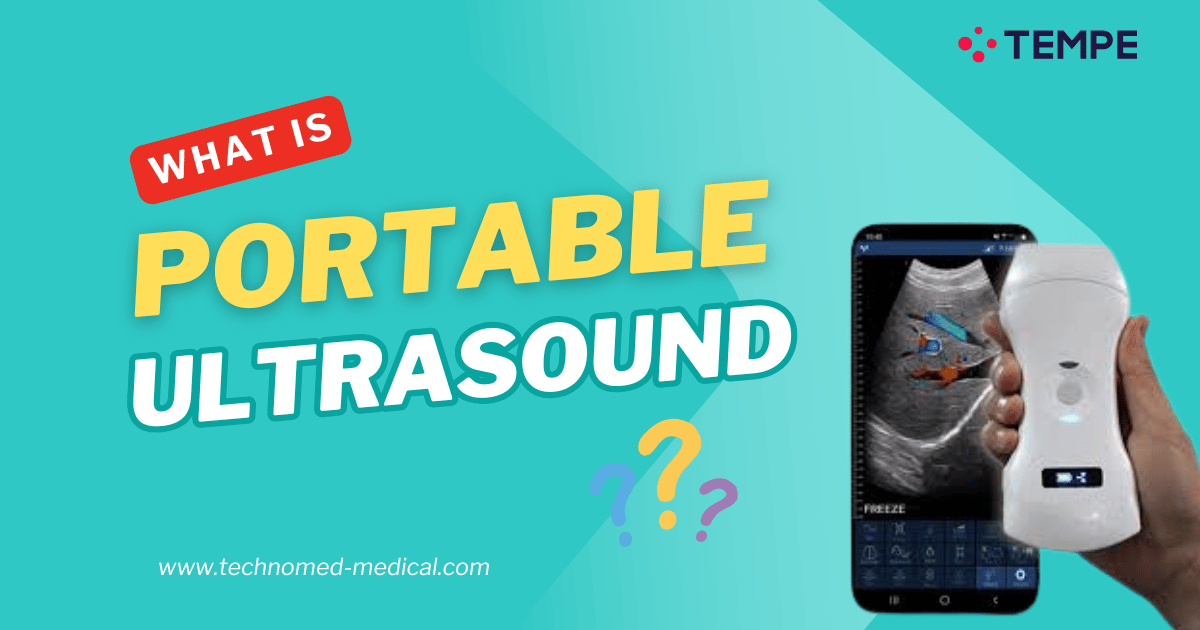
Portable ultrasound machines have truly transformed the landscape of medical imaging, offering healthcare professionals a flexible and efficient way to diagnose and monitor patients. Their rise in popularity not only reflects advancements in technology but also highlights a significant shift towards more accessible and immediate healthcare solutions.
Understanding Portable Ultrasound Machines
At its core, a portable ultrasound machine is a compact and lightweight device that uses high-frequency sound waves to create real-time images of internal body structures. In contrast to traditional ultrasound systems, which can be bulky and confined to specialized rooms, portable units can be easily transported and utilized in a myriad of settings—from hospitals and clinics to emergency rooms and even remote locations. This versatility not only enhances the availability of diagnostic imaging but also ensures timely patient care, leading to improved health outcomes.
Key Differences from Traditional Ultrasound Systems
One of the most striking differences between portable ultrasound machines and traditional systems lies in their size and mobility. While traditional machines are typically larger and require multiple components to be set up in designated spaces, portable devices consolidate essential imaging technology into a single unit. This streamlining allows healthcare providers to perform ultrasound examinations almost anywhere, from bedside assessments to health camps in remote areas, thus making ultrasound imaging more accessible than ever.
Technological advancements are another noteworthy distinction. Early portable models may have faced limitations in image quality, but modern versions have significantly improved, often matching or even exceeding the performance of traditional systems. With high-definition screens, cutting-edge imaging software, and advanced transducer technology, healthcare professionals can achieve detailed and accurate views of anatomical structures, enabling informed decision-making irrespective of their work environment.
Moreover, portable ultrasound machines are increasingly equipped with user-friendly interfaces and advanced features such as image storage, cloud connectivity, and compatibility with telemedicine platforms. These developments not only simplify the operating process but also facilitate efficient data sharing among medical professionals—a crucial factor in emergencies or when specialists need to provide immediate consultations.
The adoption of portable ultrasound machines is redefining diagnostic imaging. As these devices continue to evolve, their integration of new technologies promises to expand their applications, further enhancing patient outcomes.
As we dive deeper into their capabilities and applications, it becomes clear just how pivotal these portable ultrasound machines are in modern healthcare and how they are shaping the future of patient care.
Applications of Portable Ultrasound Machines
The versatility of portable ultrasound machines presents a host of advantages, catering to diverse users in various settings. Their applications extend from traditional healthcare facilities to specialized environments, marking a major advancement in diagnostic imaging.
Clinics and hospitals benefit immensely from portable ultrasound technology. As the need for immediate imaging grows in patient care, these machines allow clinicians to conduct diagnostic procedures right where the patient is. This immediacy not only boosts patient comfort by minimizing the need for multiple visits but also streamlines decision-making for healthcare providers. Whether in emergencies or routine exams, a portable ultrasound machine enables swift diagnostic feedback, which can lead to timely interventions and enhanced patient outcomes.
Home healthcare services have also been transformed by the incorporation of portable ultrasound machines. For patients with mobility issues or chronic conditions, in-home diagnostics are crucial. Healthcare providers can perform essential imaging assessments within the patient’s familiar surroundings, which simplifies monitoring ongoing health conditions or evaluating new symptoms. This access bridges the gap between hospital care and home health management, promoting a more personalized patient treatment approach.
In emergency services, the need for rapid assessment is paramount, and portable ultrasound machines are invaluable in critical situations. First responders can deploy these devices at accident scenes or during transport to medical facilities. By providing immediate imaging of internal injuries or other medical anomalies, healthcare professionals can quickly assess a patient’s condition and make life-saving decisions based on real-time data. The ability to conduct ultrasound examinations in the field enhances survival rates and optimizes resource allocation in emergency medical services.
The veterinary field, too, has embraced the benefits of portable ultrasound technology. Veterinarians utilize these machines for thorough examinations of animals, enabling accurate and swift diagnoses. From monitoring pregnancies in livestock to identifying internal injuries in pets, portable ultrasound machines have revolutionized veterinary medicine and improved the standard of care for animals.
As the landscape for portable ultrasound solutions evolves, the potential for enhanced diagnostic capabilities is immense. In the next segment, we will explore the latest advancements in ultrasound technology and how these innovations are influencing the future of medical diagnostics.
Choosing Between Handheld and Portable Ultrasound Devices
When it comes to ultrasound systems, practitioners often face a pivotal choice: handheld devices or traditional portable ultrasound machines. Each option serves distinct clinical needs and has its unique advantages and disadvantages.
Handheld ultrasound devices have ushered in a new era of point-of-care imaging, empowering physicians to conduct real-time assessments directly at the bedside or in remote locations. One of their most significant benefits lies in their extreme portability. These devices can be easily transported and utilized in various settings, making them ideal for emergency situations, outdoor assessments, or hard-to-reach areas. Thanks to advancements in technology, many handheld devices now offer impressive image quality, enabling practitioners to obtain reliable diagnostic information without the bulkiness of traditional equipment. Additionally, these devices often boast user-friendly interfaces and software offering seamless image sharing and storage, enhancing patient management.
However, despite their many advantages, handheld ultrasound machines do have limitations. While they excel in basic imaging tasks, their capabilities in more complex examinations may fall short compared to larger portable ultrasound machines. This smaller size can sometimes lead to lower resolution images or limited probe options, which may not meet the demands of specialized procedures. Moreover, due to their design, handheld devices often require users to have a solid understanding of ultrasound principles to optimize imaging—this may pose challenges for less experienced practitioners.
On the flip side, larger portable ultrasound machines offer a balance between portability and advanced functionality. These devices, while still transportable, incorporate a broader range of features akin to traditional systems found in hospitals, including multiple imaging modalities and specialized applications. Medical professionals can benefit from enhanced Doppler imaging, compatibility with different probes, and superior image processing capabilities, allowing for comprehensive assessments in various clinical scenarios—from obstetrics to cardiology.
Nevertheless, larger portable ultrasound machines are bulkier and less ergonomic than handheld systems, which may hinder their convenience in emergency situations or field use. Transportation logistics can be challenging, especially in low-resource environments. Furthermore, the higher costs associated with these portable ultrasound machines may deter smaller practices or facilities with limited budgets.
Ultimately, the choice between a handheld ultrasound device and a portable ultrasound machine should be guided by the specific demands of your clinical practice. If immediate portability and ease of use are paramount, a handheld device might be the best fit; however, for comprehensive imaging capabilities and advanced diagnostics, a traditional portable ultrasound machine could be the better option.
As you continue to weigh your options, it’s essential to delve into the advancements in ultrasound technology and their implications for patient care. In the following section, we will explore the latest innovations that are shaping the future of ultrasound imaging and what they mean for healthcare providers.
Exploring Portable Ultrasound Models

In the rapidly evolving realm of medical technology, portable ultrasound machines stand out as essential tools across various clinical settings. Let’s take a closer look at some of the top models on the market, highlighting their unique features and use cases.
SonoSite SII: The SonoSite SII is a highly rated portable ultrasound machine that combines advanced imaging capabilities with user-friendly features. Especially favored in emergency and critical care settings due to its lightweight design and exceptional battery life, it allows for extended use in diverse environments. The SonoSite SII is equipped with high-resolution imaging and offers a variety of transducer options, making it ideal for applications in cardiology, obstetrics, and emergency medicine. With intuitive touch-screen controls and customizable presets, this device facilitates efficient workflows, ensuring clinicians can deliver timely patient care even in fast-paced situations.
GE Vscan: The GE Vscan Extend is another leading contender in the portable ultrasound market, known for its compact size and easy portability. This device is particularly useful in point-of-care settings such as primary care and urgent care facilities, as well as remote locations. Featuring a dual-probe design, practitioners can effortlessly switch between linear and curved transducers, making it adept for various examinations, from abdominal scans to musculoskeletal evaluations. Its innovative touchscreen interface and wireless connectivity enhance the user experience, enabling real-time collaboration and data sharing among healthcare teams.
Moreover, the Philips Lumify is especially noteworthy for its unique approach to ultrasound technology. This smartphone-compatible ultrasound device transforms your mobile device into a robust imaging solution. By leveraging cloud-based services for easy storage, retrieval, and image sharing, Lumify is particularly appealing for telemedicine applications. With diverse transducer options and high-resolution imaging capabilities, it provides versatility across various fields, including obstetrics, emergency medicine, and vascular studies. The fusion of portability with smart technology makes Lumify an excellent choice for healthcare professionals in need of flexibility and efficiency.
Clarius Portable Ultrasound: Clarius is the perfect ultrasound for busy healthcare professionals who need clarity and convenience in the palm of their hand. This wireless, pocket-sized scanner connects easily to your smartphone or tablet, delivering high-resolution imaging without the hassle of bulky machines. Whether you’re at the bedside, in a clinic, or on the go, Clarius gives you the confidence to make quick, informed decisions. It’s built for real-world use—lightweight, waterproof, and ready when you are.
Sonostar Portable Ultrasound: Sonostar brings portability and power together in one sleek ultrasound device designed for fast bedside diagnostics. Its compact design and user-friendly interface make it ideal for physicians, emergency responders, and point-of-care use. Simply pair it with your mobile or tablet, and you’re ready to scan in seconds. With reliable performance and strong imaging capabilities, Sonostar helps you see clearly and act quickly—wherever your patients need you most.
In summary, selecting a portable ultrasound machine hinges on the specific needs of your medical practice. Models such as the SonoSite SII, GE Vscan Extend, and Philips Lumify each offer unique features tailored to various medical applications, providing healthcare practitioners with the necessary tools to deliver effective patient care.
Next, we’ll delve deeper into the advantages of integrating portable ultrasound machines into everyday clinical practice and how they further enhance patient outcomes in modern healthcare settings.
Key Features of Portable Ultrasound Machines
When embarking on the journey of selecting a portable ultrasound machine, understanding its key features can significantly enhance how effectively it can be utilized in clinical settings. The right blend of connectivity, size, image quality, and user interface not only fosters better patient outcomes but also streamlines workflows for healthcare professionals.
- Connectivity Options
One of the most critical aspects to consider is the connectivity options available with a portable ultrasound machine. Bluetooth and Wi-Fi capabilities enable seamless integration with other medical devices and healthcare systems. This functionality allows providers to easily transfer images and data to electronic health records (EHR) or cloud storage, boosting collaboration among medical teams. Additionally, remote access through a secure internet connection permits specialists to review scans in real-time, which is essential for timely decision-making and enhancing patient care.
- Size and Portability
The design and weight of a portable ultrasound machine are crucial for healthcare professionals who prioritize mobility without compromising functionality. An ideal portable device is lightweight and compact, making it easy to transport between patient rooms and clinics, or even to remote locations. It should strike a balance between portability and durability, ensuring it can withstand the demands of various healthcare environments. Ergonomic design features, such as a comfortable grip and intuitively placed controls, can significantly improve usability during examinations.
- Image Quality
High-resolution imaging is non-negotiable for an effective portable ultrasound machine. The clarity and detail of these images are vital for accurate diagnosis and ensuring patient safety. Look for devices utilizing advanced imaging technologies, such as 2D, 3D, and Doppler imaging capabilities, which enhance diagnostic precision. Exceptional image quality not only aids in identifying conditions but also plays a crucial role in monitoring disease progression, thus improving patient management. The capacity to generate clear images across different lighting conditions and body types should also be paramount in selecting any healthcare device.
- User-Friendly Interface
Lastly, a user-friendly interface is essential for maximizing a portable ultrasound machine’s effectiveness. Healthcare professionals often operate under tight time constraints, making it imperative that the machine is straightforward and intuitive. Touchscreen displays, customizable settings, and easily accessible controls enhance workflow efficiency, enabling providers to focus more on patient care rather than troubleshooting technology. Comprehensive training resources and responsive customer support further contribute to user satisfaction, ensuring that even less tech-savvy staff can utilize the equipment with confidence.
When evaluating portable ultrasound machines, it’s vital to prioritize these key features. In our next section, we’ll explore the benefits of incorporating portable ultrasound technology into various medical practices, highlighting its transformative impact on patient care and diagnostics.
Cost Considerations for Portable Ultrasound Machines
As you ponder integrating a portable ultrasound machine into your medical practice or personal health monitoring, gaining a clear understanding of the cost is essential. These devices can come with a wide price range, influenced by several factors that impact a buyer’s decision.
Pricing Overview and Factors Influencing Cost
General pricing for portable ultrasound machines typically falls between a few thousand dollars and over $20,000. Various factors contribute to this variability, including the technology employed, the features offered, brand reputation, and whether the unit has undergone recent innovations. For instance, machines featuring advanced imaging capabilities, such as 3D/4D imaging, often command higher prices due to their added diagnostic utility. Connectivity features—such as wireless sharing or integration with electronic health records—may raise costs, but they significantly improve workflow efficiency in clinical contexts.
Brand reputation also plays a pivotal role in pricing. Established brands known for their reliability and service often come with higher price tags compared to lesser-known alternatives. Additionally, warranty and service options can contribute to the total cost, with extended warranties providing peace of mind for those investing in a portable ultrasound machine.
Budget-Friendly Options Versus High-End Models
For those operating on tighter budgets, affordable options that do not compromise essential functionality are available. These entry-level portable ultrasound machines generally come equipped with basic imaging capabilities required for routine examinations, making them suitable for primary care or outpatient settings. While they might lack some advanced features, they deliver a reliable and efficient means of conducting ultrasound scans.
Conversely, high-end portable ultrasound machines are designed for specialized applications, offering an extensive array of advanced tools and features. These models are ideal for fields like obstetrics, cardiology, and critical care, where precise imaging is essential for accurate diagnosis and treatment. Those who invest in high-end units can expect superior image quality, quicker processing speeds, and extra features like Doppler ultrasound capabilities—enabling comprehensive assessments that more budget-friendly models may lack.
In the end, the choice between budget-friendly and high-end models depends on the user’s specific needs and the intended application. For those in specialized medical fields or institutions where detailed imaging is crucial, opting for a high-end portable ultrasound machine may be a worthwhile investment. Meanwhile, general practitioners or smaller practices might find that a budget-conscious model suffices, balancing cost against fundamental functionality.
By carefully weighing the factors influencing pricing and comparing various models, potential buyers can make informed decisions that align their budget with clinical needs. As technology continues to advance in medical imaging, understanding these cost considerations is crucial for adapting to the dynamic healthcare landscape.
Looking ahead, our next topic will delve into the clinical applications of portable ultrasound machines and how they significantly enhance patient care and diagnostics across diverse medical settings.
The Growing Demand for Portable Ultrasound Machines
There’s a fascinating trend underway in the healthcare sector as the demand for portable ultrasound machines skyrockets. This surge is driven by significant advancements in technology and a collective shift towards more accessible healthcare solutions. Current market insights suggest that the market for portable ultrasound devices is valued in the billions, with projections indicating continuous expansion through 2028.
Market Size and Growth Projections
The portable ultrasound machine market is expected to grow at a compound annual growth rate (CAGR) of approximately 8-10% over the next several years. Several factors contribute to this growth, including technological advancements, increased demand for point-of-care diagnostics, and a growing emphasis on telemedicine. As healthcare systems seek to enhance operational efficiency and patient outcomes, these portable devices are becoming indispensable in daily practice.
Adoption Trends in Various Healthcare Settings
We’re witnessing a remarkable trend toward the adoption of portable ultrasound machines across a variety of healthcare settings, ranging from hospitals and clinics to emergency medical services and home healthcare. Their lightweight, user-friendly design enables healthcare professionals to perform diagnostics in multiple environments, thus enhancing both the speed and accuracy of care delivery. For example, emergency departments increasingly rely on these machines for rapid assessments in critical situations, while primary care providers utilize them for routine screenings and monitoring.
Additionally, the burgeoning trend toward outpatient care serves as a significant driver of this market. Portable ultrasound machines enable physicians to conduct procedures and diagnostics in outpatient settings, reducing the need for costly and time-consuming visits to hospitals. This shift not only provides more immediate care to patients but also alleviates the burden on hospital resources, illustrating the efficiency these devices bring to healthcare.
The application of portable ultrasound technology has also broadened in specialized fields such as obstetrics, cardiology, and orthopedics. In obstetrics, for instance, portable machines allow expectant mothers to receive swift assessments during prenatal visits. In cardiology, these devices facilitate point-of-care evaluations that lead to faster interventions. The flexibility of portable ultrasound applications highlights their critical role in contemporary healthcare.
Looking forward, the future of portable ultrasound machines seems bright. Increased investments in healthcare infrastructure, coupled with an emphasis on preventive care and early diagnosis, promise to drive demand further. As we aim to enhance patient access to care with innovative solutions, we can expect even more advancements in portable ultrasound technology.
In closing, the growing market for portable ultrasound machines is reflective of a larger trend towards improving healthcare delivery. As this landscape continues to evolve, these devices will play a crucial role in shaping patient care practices. Up next, we will dive into the technological innovations driving these machines, exploring how they can further transform clinical practices and improve patient outcomes.